

What Are Double Wall Panels and Where Do They Deliver the Most Value?
Understanding Double Wall Panels in Precast Construction
Double Wall Panels are precast concrete wall elements composed of two thin shells that are connected and later filled with in‑situ concrete. Compared with traditional single precast walls or cast‑in‑situ walls, they offer a hybrid approach: factory precision plus monolithic behavior on site.
This system is particularly relevant because it fits perfectly with industrialized construction: higher productivity, less uncertainty on site, and better quality control. At Moldtech, we design and manufacture bespoke molds and equipment for Double Wall Panels for clients worldwide, adapting each project to the target market and building type.
Technical Concept: How Are They Designed and Manufactured
Basic Structure and Components of Double Wall Panels
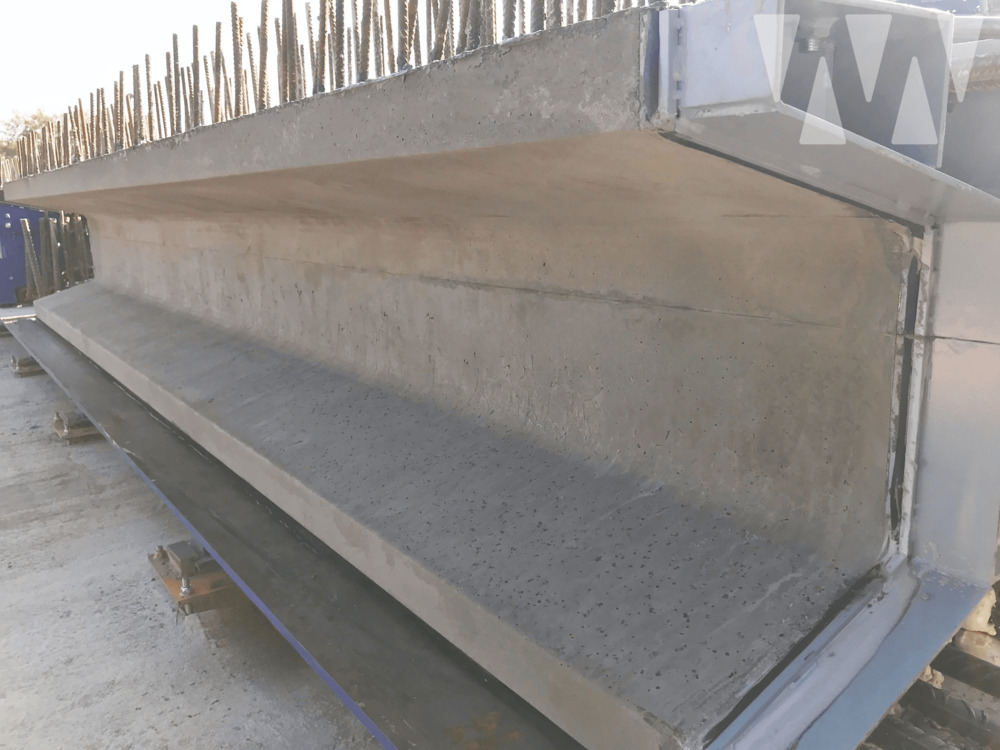
A Double Wall Panel consists of two precast concrete panels (shells) connected by steel lattice girders or similar connectors, creating a double skin wall system. On-site, the cavity between the skins is filled with cast‑in‑place concrete, forming a single structural element.
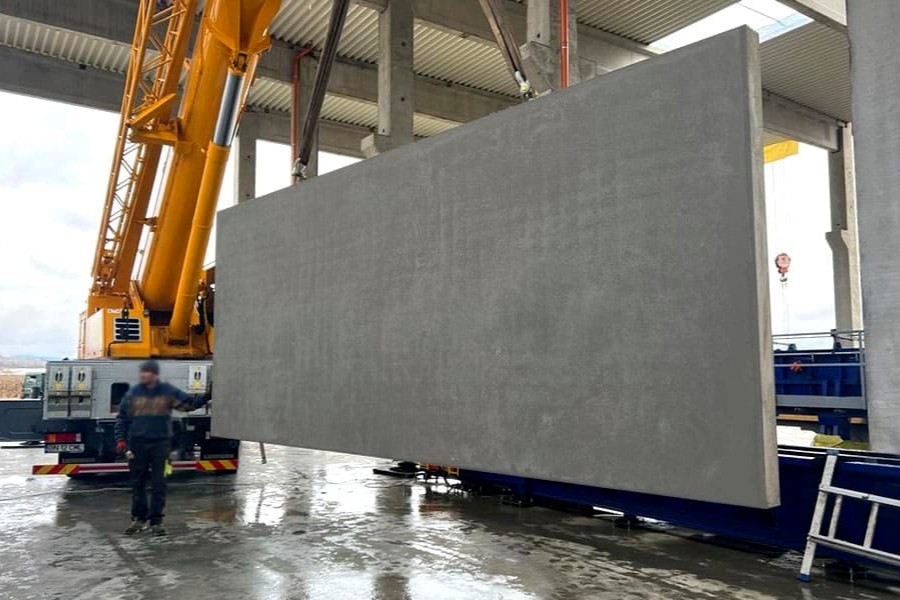
These precast concrete panels are typically thin, with overall wall thicknesses ranging between 18 and 40 cm, depending on load requirements and insulation strategies. Reinforcement is placed in each shell and complemented by lattice girders to ensure composite action. This combination allows the panel to serve as both cladding and load-bearing element, while keeping its weight manageable for plant handling and transport.
Production Process in the Precast Plant
In practical terms, the production process is straightforward, though the details matter:
- Preparation of the formwork and cleaning of the table or mold.
- Placement of reinforcement and connectors.
- Casting of the first shell and, where applicable, the second in opposing molds.
- Curing, demolding, and storage.
- Transport to site and assembly before in‑situ pouring.
In our experience, optimising mold design is crucial for dimensional accuracy and high productivity in Double Wall Panels, especially when switching between large tilting tables and variable panel thicknesses.
Main Applications and Uses of Double Wall Panels
Typical Building Types and Structural Uses
Where do Double Wall Panels excel? Primarily in projects needing a load‑bearing wall system that can be installed quickly and provides strong structural performance. Typical applications include:
- Residential and multi‑storey buildings, where repetitive load-bearing walls and high finish quality are required.
- Industrial and logistics facilities, combining it with insulated facades or architectural panels.
- Parking structures and retaining walls, where structural precast walls reduce excavation and construction times on site.
A major advantage is fast erection on-site, with prefabricated elements that are light for transport but become solid walls once filled in situ.
Combining Double Wall Panels with Other Precast Elements
The best results occur when Double Wall Panels are integrated with other precast components. They connect seamlessly with hollow core slabs, beams, columns, and stair elements, creating a complete structural system.
Our experience with turnkey plants shows that the biggest productivity improvements happen when they are designed as part of a broader precast solution rather than as a stand‑alone product. When plant layout, molds, and structural design are considered together, productivity rises significantly faster.
Advantages of Double Wall Panels for Projects and Precast Plants
Benefits for Developers and Designers
For developers and designers, Double Wall Panels present several key advantages:
- Faster on-site construction and reduced reliance on specialized labor.
- Higher quality control, since much of the wall is produced in a factory environment.
- Improved thermal and acoustic performance compared to some traditional systems, thanks to total wall thickness and the ability to integrate specific insulation layers and finishes.
From our experience in international projects, they are especially attractive in markets with tight construction deadlines and skilled labor shortages—an increasing trend in North America and Latin America.
Benefits for Precast Factories and Investors
From the factory perspective, this system offers:
- More pieces are produced per square meter of plant, and are highly repetitive.
- Fewer reworks, thanks to precise molds and well-standardized processes.
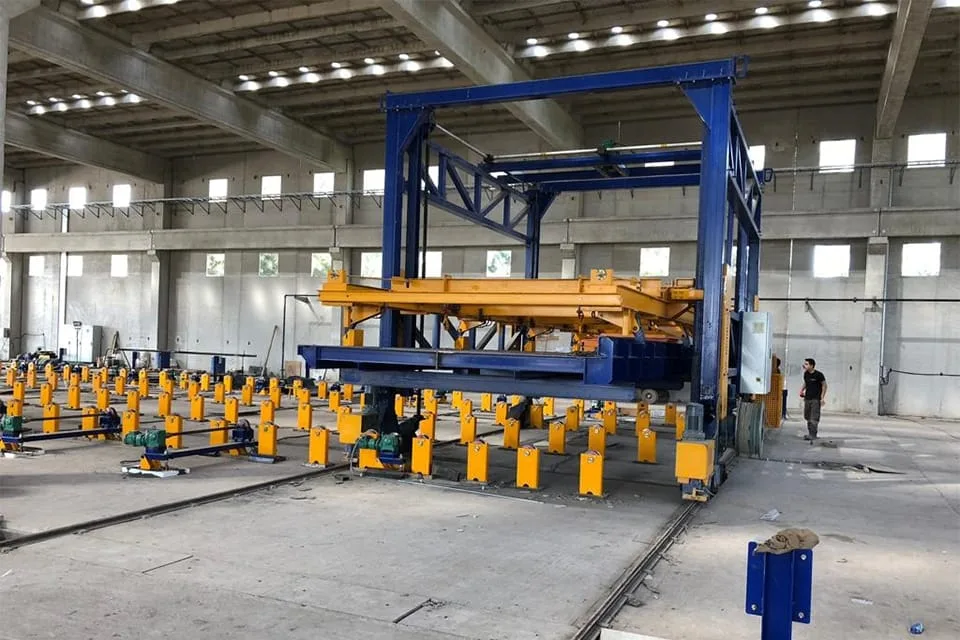
- The ability to evolve towards a precast wall production line with integrated handling equipment and support systems.
Investment in high‑quality precast plant equipment is offset by shorter production cycles, fewer stoppages, and greater capacity to serve multiple projects without losing quality.
How Moldtech Supports Double Wall Panels Production
Custom Molds and Equipment
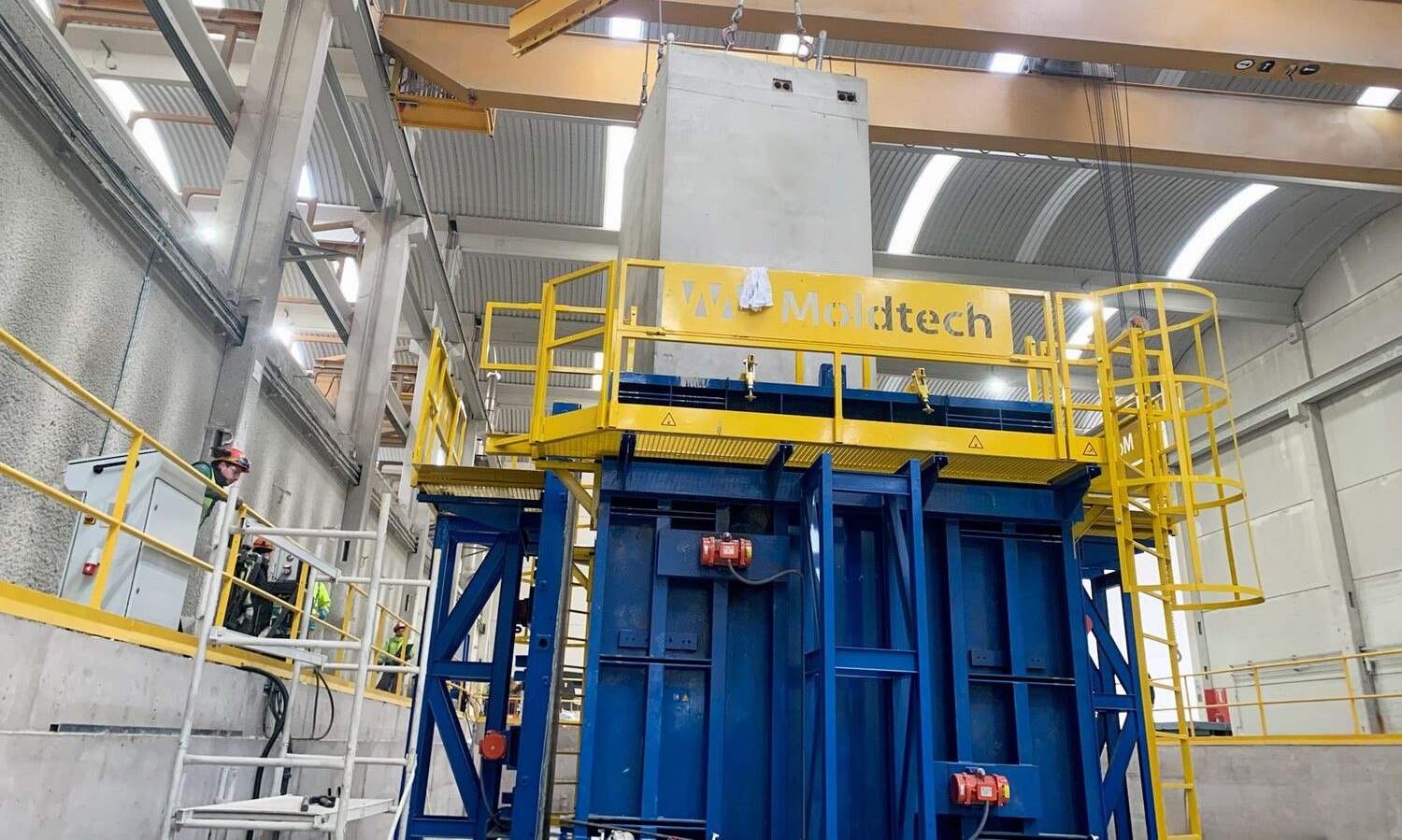
At Moldtech, we make sure theory matches real-world plant performance. We design molds, tilting tables, and handling systems specifically tailored to the dimensions, thicknesses, and geometries of each market.
A clear example is our large tilting table installed in Mexico, as described in the project Double Column Mold for Mexico; a pair of large-format tables with adjustable formwork and spacers designed for producing double wall panels for industrial buildings, reducing setup time and labor.
In Canada, in projects like Large Tilting Table for Panels in Canada and Tilting Table and Hydraulic Power Pack in Canada, we integrated hydraulic and control systems to safely tilt large panels and maintain strict tolerances, even in extreme climates. This international experience allows us to deliver turnkey precast plant solutions and support clients in over 60 countries.
Lessons Learned and What We Would Do Differently Today
One lesson stands out: we would involve the client’s design team earlier in the Double Wall Panel and mold configuration process to ensure maximum flexibility and long-term scalability for the plant. Bringing together engineering, production, and equipment suppliers early prevents many future constraints.
Key Takeaways and When to Choose Them
In summary, Double Wall Panels are a double-skin precast wall system with an in-situ concrete core, combining factory precision with the monolithic behavior of a solid wall. They offer the most value in residential, industrial, and parking buildings with repetitive walls and tight timelines.
Their technical and economic benefits are maximized when the plant is equipped with the right precast plant equipment and a clear production strategy. If you are evaluating Double Wall Panels for a new precast plant or upgrading your wall production, we can help you analyze the best technical solution and design molds and equipment tailored to your project and market.